← Journal

Materials · 15 September 2026

Choosing a worktop: materials and finishes

Choosing a worktop: materials and finishes

Natural stone, engineered mineral surfaces, wood and technical materials: a look at their qualities and uses.

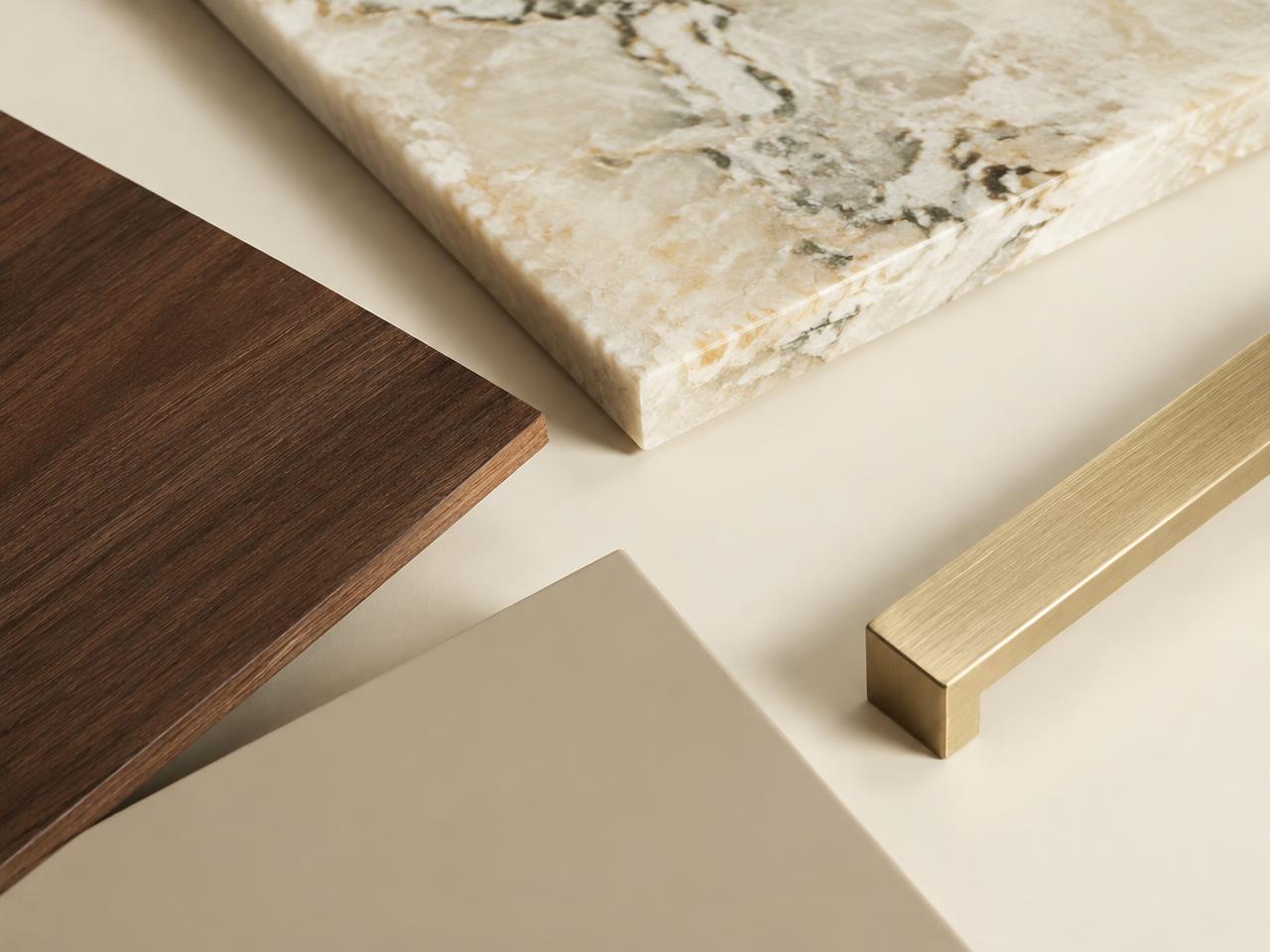
Choosing a worktop means considering both the material and your habits. Heat, stains, impacts to edges and daily care affect surfaces differently. We explore these families with you during a home visit, with samples in hand.

A material guide

Materials, by family.

Natural stone

Each slab has its own character. Appearance and upkeep depend on the stone and its finish.
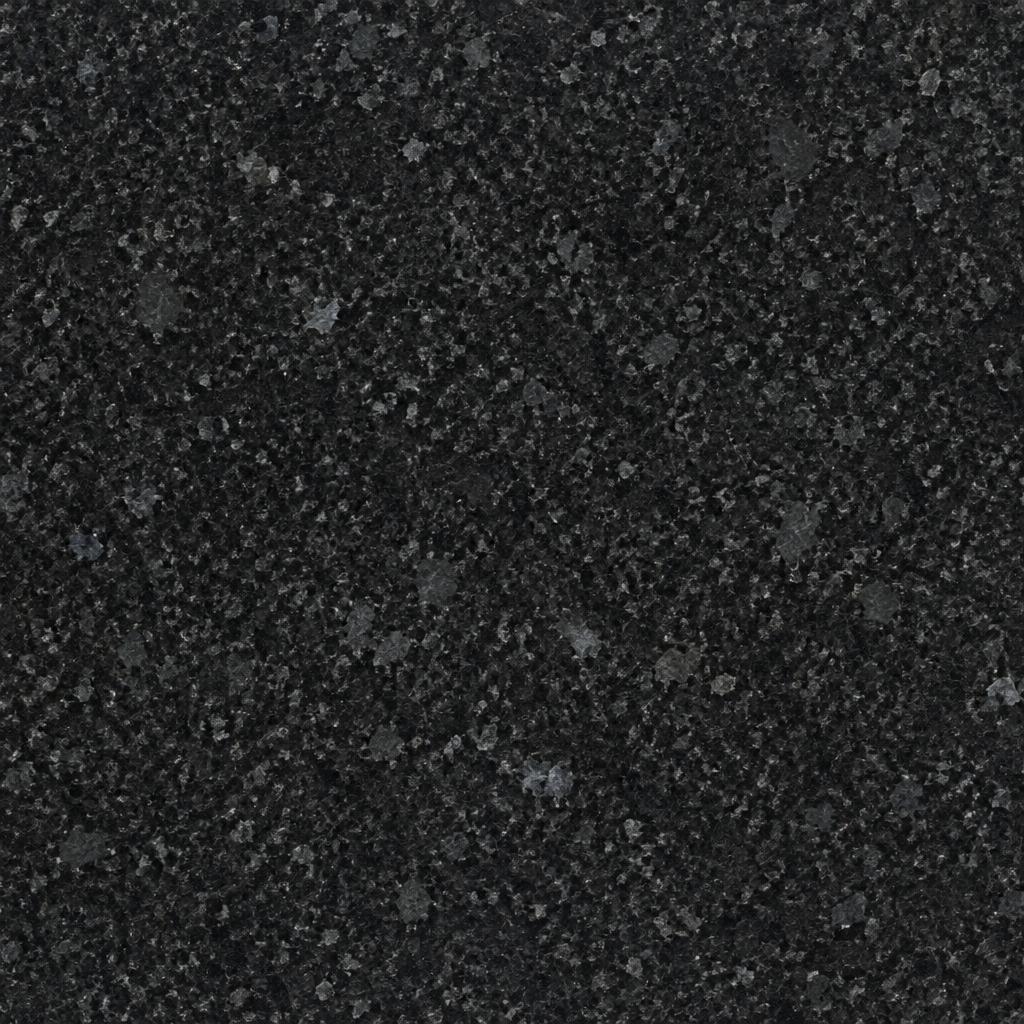
Granite — natural stone
GraniteDurable, with a distinctive mineral grain; classic black is a signature reference.
Quartzite — natural stone
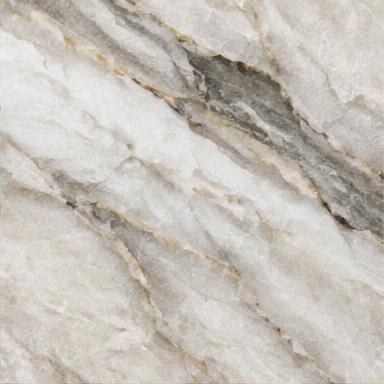
QuartziteExpressive veining and good heat resistance.
Marble — natural stone
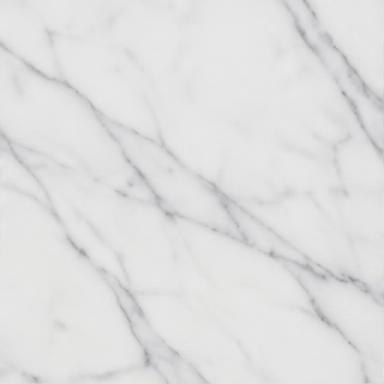
MarbleUnique veining, but sensitive to acids and stains.

Engineered mineral surfaces

Different compositions and processes, worth distinguishing before choosing.
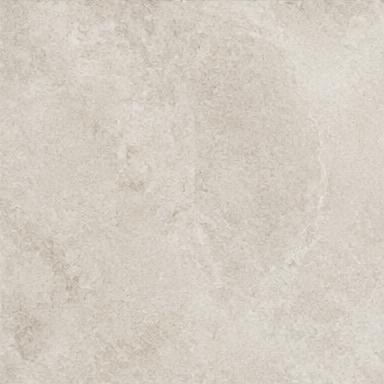
Ceramic — engineered mineral surfaces
CeramicDense and heat-resistant; edges can be vulnerable to impact.
Quartz — engineered mineral surfaces
QuartzConsistent appearance; avoid placing hot pans directly on the surface.

Wood

A warm material that develops a patina and needs regular care.
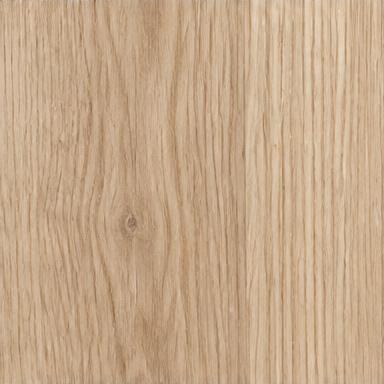
Solid wood — wood
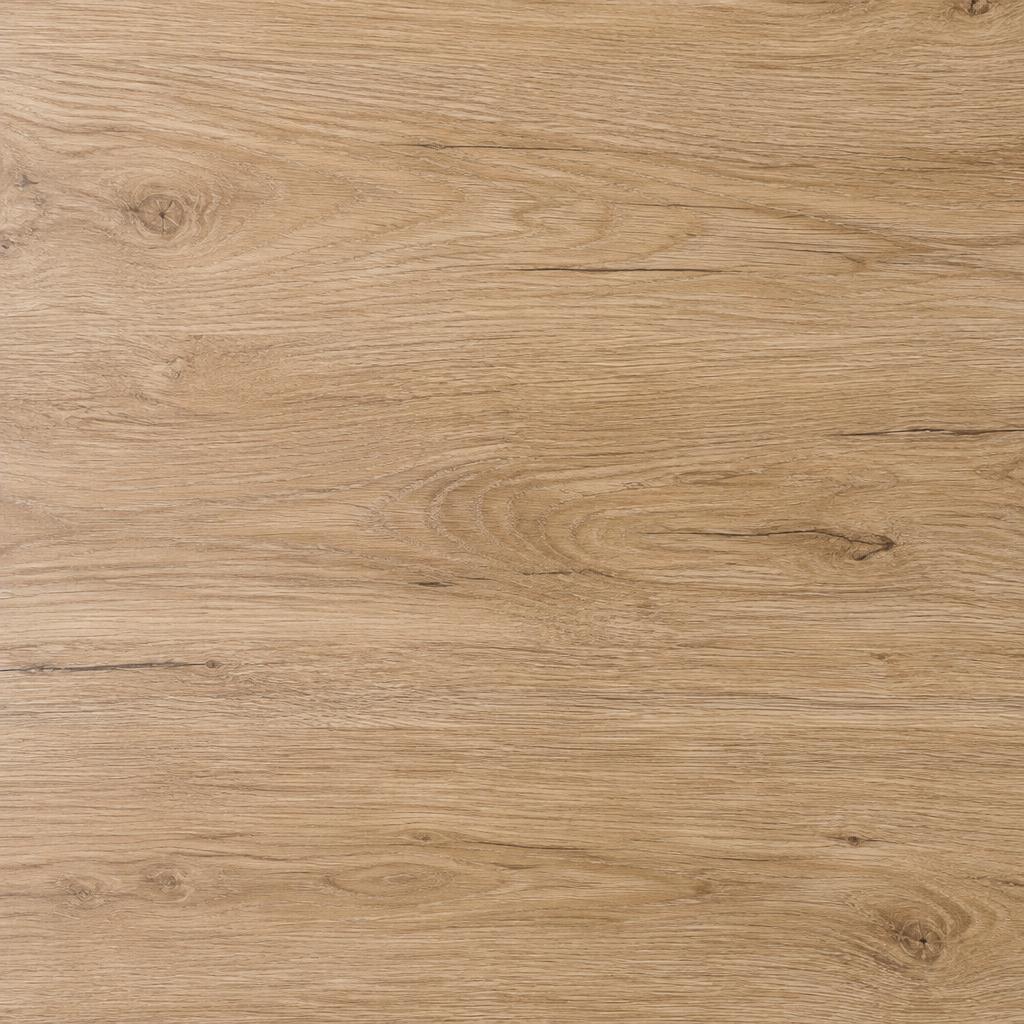
Solid woodSeveral species and tones available — oak, walnut and more; protect from standing water.

Technical surfaces

Distinct solutions, from laminate to stainless steel.

Compact laminate — technical surfaces
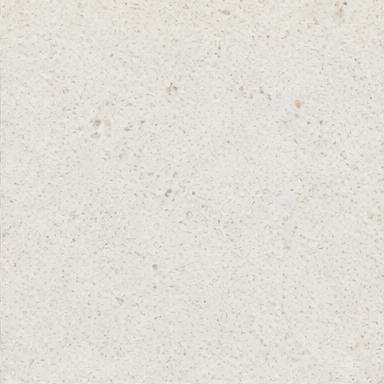
Compact laminateDense high-pressure laminate suited to slim profiles; shown here in a white finish.
Laminate — technical surfaces
LaminateWide range of finishes, including wood-look decors; joints need attention.
Stainless steel — technical surfaces
Stainless steelHygienic and heat-resistant; it shows marks and develops a patina.

These images illustrate material families, not specific available products or samples. The choice is made with actual samples, based on finish and how you use your kitchen.